Alejandro Gomez Garcia/The Globe and Mail
With scams on the rise, international students are targets on the black market for bank accounts
By Alexandra Posadzki
The scam started as many scams do, with a phone call from someone impersonating a bank employee.
It ended with nearly 300,000 Australian dollars (about $288,000) being transferred out of a Melbourne woman’s bank account and withdrawn from automated banking machines.
Australia’s financial intelligence agency included the incident in a 2024 report to highlight a growing problem. After gaining access to the victim’s funds, the scammers transferred the money to 11 different bank accounts, most of which had been opened by international students from India. At the time when the cash was being withdrawn, the students had already returned home – which meant someone else was controlling their bank accounts, the Australian Transaction Reports and Analysis Centre said.
The students had, wittingly or unwittingly, become what are known as “money mules” – individuals who move illegally acquired funds on behalf of someone else.
Illegally acquired access to bank accounts is becoming a growing problem around the world, as criminal organizations look to move money they have stolen through increasingly pervasive scams.
Last November, the Australian Federal Police launched a campaign, called “Your Name. Your Responsibility,” to bring awareness to the global phenomenon. Members of organized crime groups have been approaching international students through social media platforms, messaging apps or in real life, offering between 200 to 500 Australian dollars for the use of their bank accounts, the police agency said. Sometimes the students receive a commission of around 10 per cent of the funds that flow through the account, as well.
For cash-strapped students who are studying in expensive countries, it can sound like an easy way to make some money – especially if they’re heading home and not planning to return. Many of them don’t realize they’re laundering money for cross-border scam operations.
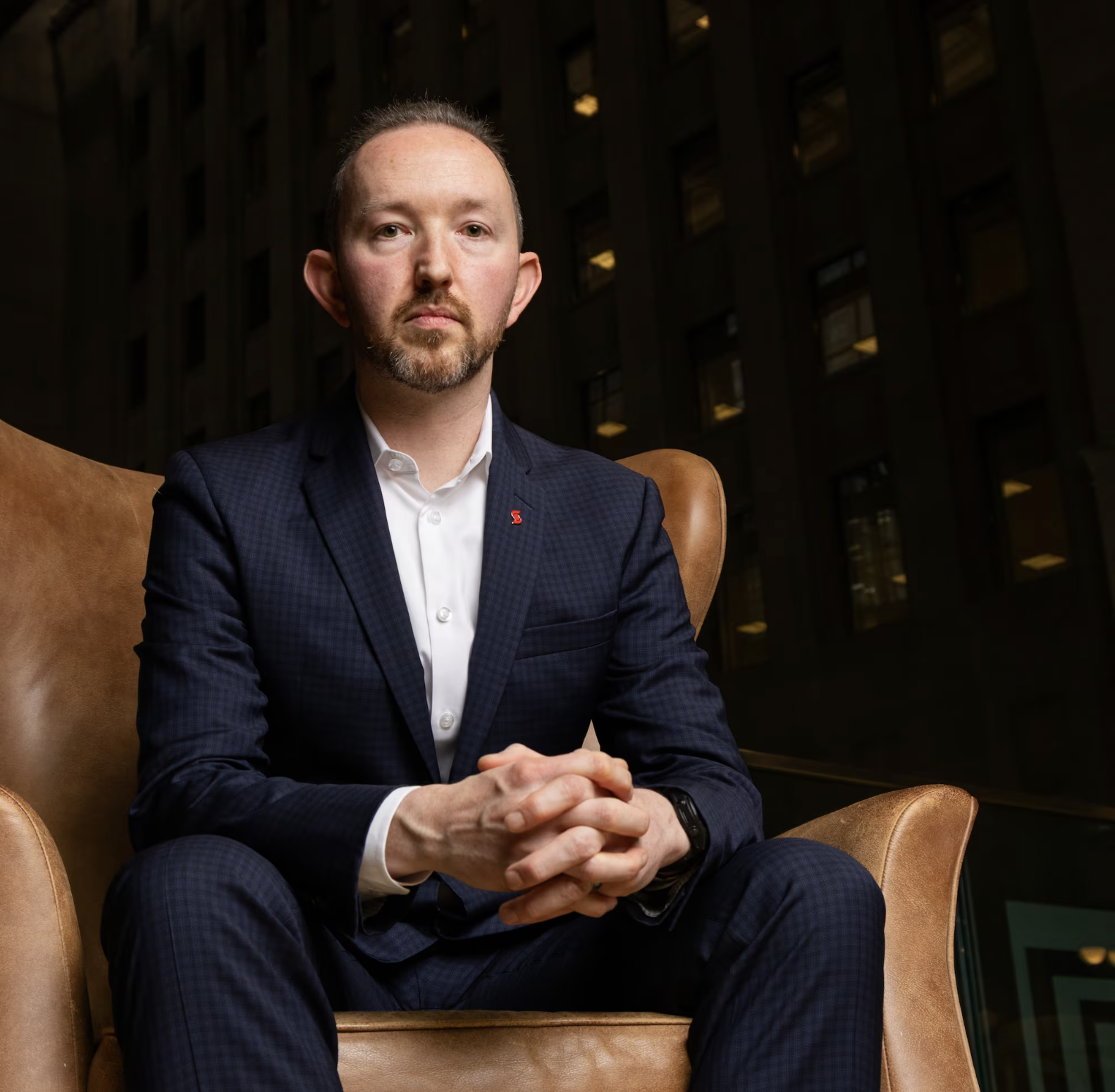
“We see evidence that that is a persistent risk in our environment as well,” said Aaron McAllister, vice-president of fraud threat management at Bank of Nova Scotia.
“It can be somebody who’s entirely unwitting, where they believe that they’ve just got this great new work-from-home job, and all they have to do is process payments. But they’re told that as part of the job, they’re processing those payments on their own account, or an account that they’ve been instructed to open,” Mr. McAllister said.
Published by the Globe and Mail.